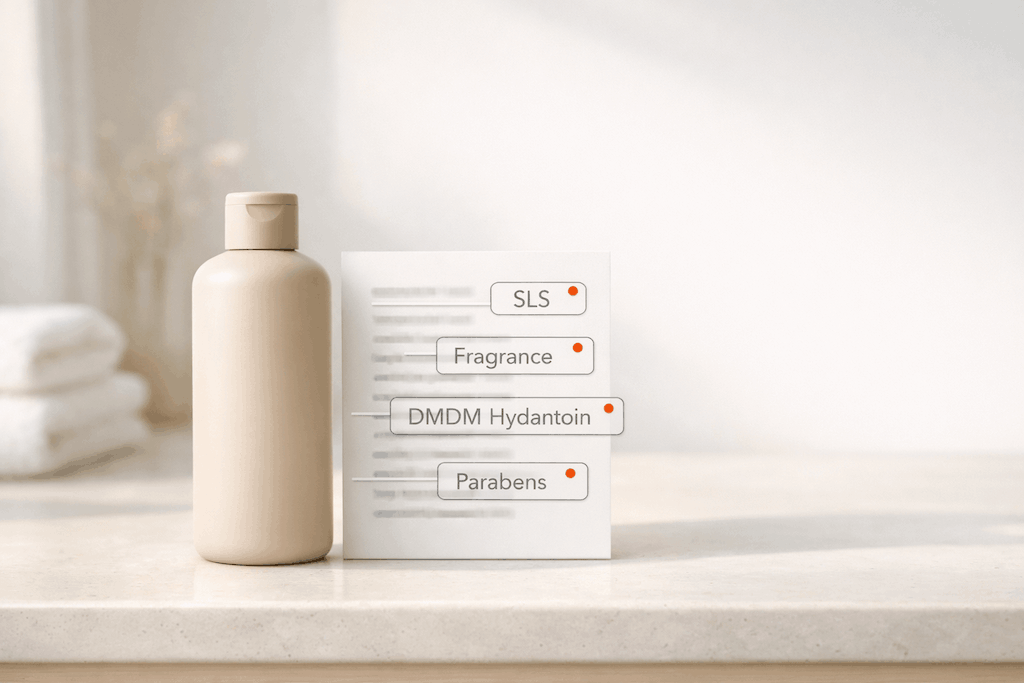
A science-informed breakdown of shampoo ingredients to avoid and how to read labels for healthier scalp care.
By Skintrig Team
Skintrig Team publishes practical, privacy-first guides about ingredient tracking and skincare reaction logging.
Choosing the right shampoo has become more complex than ever. Ingredient labels are longer, formulations more advanced, and consumer awareness higher. When searching for what ingredients to avoid in shampoo, it is important to understand which substances may negatively affect the scalp, hair structure, and overall skin health.
Below is a science-informed guide to potentially harmful shampoo ingredients, why they raise concerns, and what to look for instead.
Why Shampoo Ingredients Matter for Scalp and Hair Health
The scalp is skin. Everything applied to it may influence:
- The scalp microbiome balance
- Hair follicle strength
- Sebum regulation
- Skin barrier function
- Long-term hair growth quality
Modern search trends show increasing interest in topics such as:
- harmful shampoo ingredients
- toxic ingredients in hair products
- shampoo ingredients to avoid for hair loss
- ingredients to avoid in shampoo for sensitive scalp
- clean beauty hair care
Understanding ingredient lists allows more informed purchasing decisions.
Sulfates: Are They Too Harsh for Daily Use?
Sulfates are cleansing agents responsible for foam. The most common include:
- Sodium Lauryl Sulfate (SLS)
- Sodium Laureth Sulfate (SLES)
- Ammonium Lauryl Sulfate
Why they may be problematic:
- Can strip natural oils excessively
- May irritate sensitive scalps
- Can worsen dryness and frizz
- May fade color-treated hair faster
For individuals searching for sulfate-free shampoo benefits, gentler surfactants such as coco-glucoside or decyl glucoside are often preferred alternatives.
Parabens: Preservatives Under Scrutiny
Parabens are used to prevent microbial growth in cosmetic products. Common types include:
- Methylparaben
- Propylparaben
- Butylparaben
Why they raise concerns:
- Potential endocrine disruption (still debated in scientific literature)
- Consumer preference for paraben-free formulas
- Growing demand for natural preservatives
Although regulatory bodies consider parabens safe at approved levels, “paraben-free shampoo” remains a strong search trend.
Silicones: Smoothness at a Cost?
Silicones create a smooth, glossy finish by coating the hair shaft. Frequently used types:
- Dimethicone
- Cyclopentasiloxane
- Amodimethicone
Potential downsides:
- Product buildup on hair
- Weighed-down appearance
- Reduced moisture penetration over time
Those researching silicone-free shampoo for curly hair or fine hair care routine often aim to avoid heavy silicone accumulation.
Formaldehyde-Releasing Preservatives
Certain preservatives slowly release formaldehyde to prevent contamination. These include:
- DMDM Hydantoin
- Imidazolidinyl Urea
- Quaternium-15
Concerns include:
- Scalp irritation
- Allergic reactions
- Sensitivity in compromised skin barrier
Interest in “formaldehyde-free shampoo” continues to increase in global search results.
Synthetic Fragrance and Allergens
“Fragrance” or “Parfum” on an ingredient list may represent dozens of undisclosed chemicals.
Possible issues:
- Contact dermatitis
- Headaches in fragrance-sensitive individuals
- Increased scalp reactivity
Searches for fragrance-free shampoo for sensitive scalp and hypoallergenic hair products show consistent growth.
Alcohols: Not All Are Equal
Short-chain alcohols may dry the scalp, including:
- Alcohol Denat.
- Isopropyl Alcohol
However, fatty alcohols (like cetyl alcohol or stearyl alcohol) are generally beneficial and moisturizing. Ingredient literacy is essential to distinguish between them.
Is “Natural” Shampoo Always Safer?
It is important to note:
- “Natural” does not automatically mean non-irritating
- Essential oils may trigger allergies
- Botanical extracts can cause sensitization
Instead of focusing solely on marketing claims, analyzing full ingredient lists provides a clearer safety profile.
Ingredients to Avoid in Shampoo for Specific Concerns
For Hair Loss:
- Harsh sulfates
- High alcohol content
- Strong irritants
For Color-Treated Hair:
- Sulfates
- High-pH formulas
- Clarifying detergents
For Sensitive Scalp:
- Synthetic fragrance
- Formaldehyde releasers
- Strong preservatives
Targeted searches such as best shampoo for thinning hair without sulfates or safe shampoo for sensitive scalp reflect this personalized approach.
How to Check Shampoo Ingredients Effectively
To make informed decisions:
- Read the first 5 ingredients (highest concentration)
- Look for known irritants
- Compare products side-by-side
- Use ingredient analysis tools
- Monitor scalp reaction over time
Ingredient transparency has become a key factor in modern beauty purchasing decisions.
Final Thoughts: Smarter Shampoo Choices
When exploring what ingredients to avoid in shampoo, no single list applies to everyone. The ideal formula depends on scalp type, hair condition, and individual sensitivities.
Avoiding harsh surfactants, controversial preservatives, and heavy buildup-forming agents may improve overall hair health and scalp balance. A data-driven approach to ingredient analysis supports healthier, more personalized hair care routines.
Understanding labels is no longer optional , it is the foundation of conscious cosmetic choices.
References
Want these insights in one place?
Join the waitlist to get early access when beta opens (planned for mid to end of March 2026).
Join waitlistRelated posts
-
 Common irritants in skincare: how to identify and avoid your triggers
 A practical guide to the skincare ingredients that most often irritate sensitive skin, how to read labels more carefully, and how to spot patterns in your own routine without guessing.
-
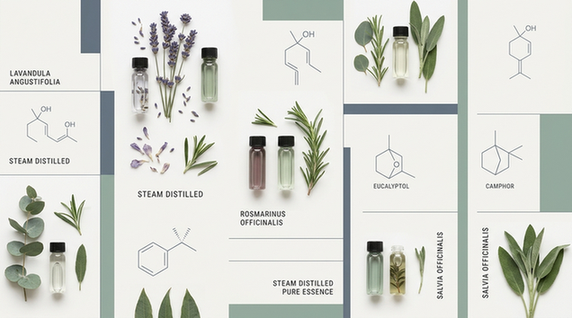 Why "Fragrance-Free" Doesn't Mean Irritation-Free
 "Fragrance-free" has a specific regulatory meaning that doesn't cover every scent-related ingredient. Here's what the label actually tells you, and what it doesn't.
-
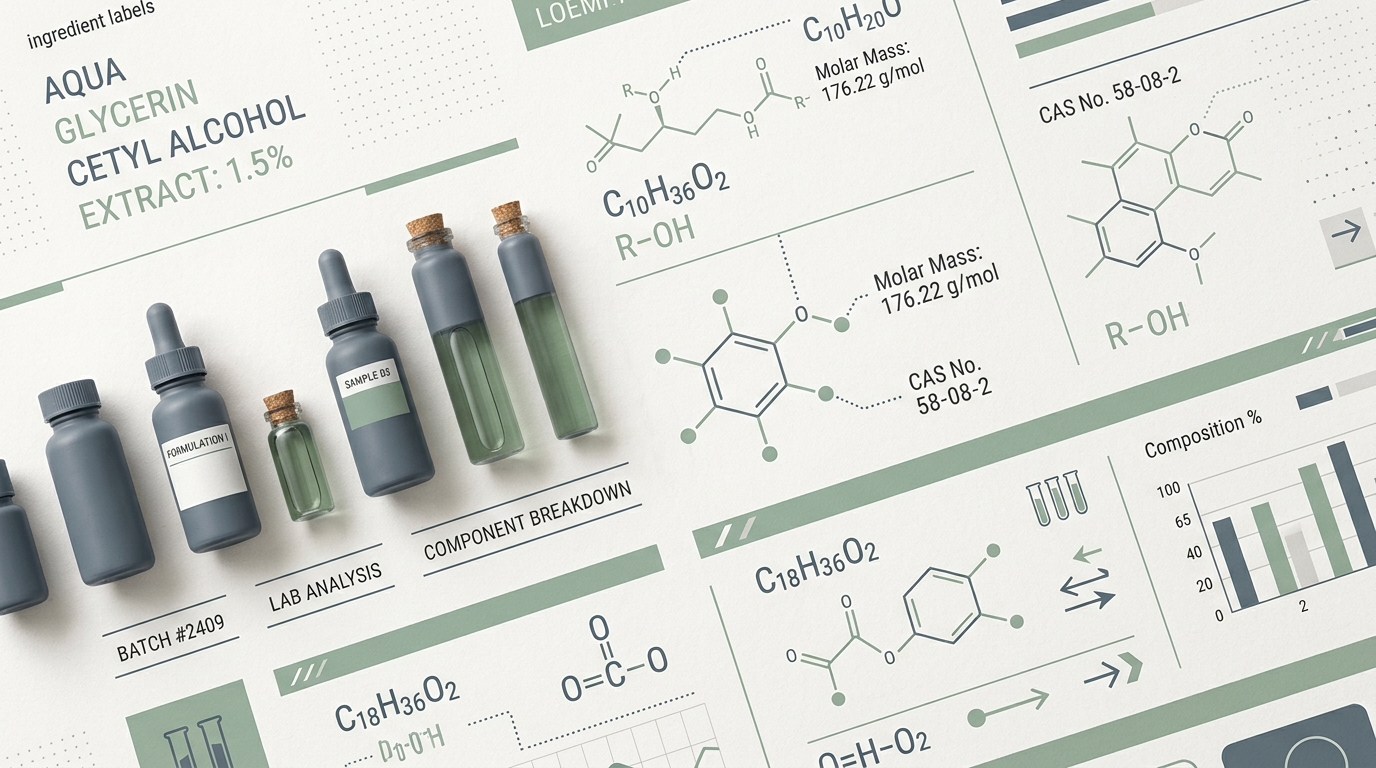 What Is an INCI List and How Do You Read It?
 INCI lists are the standardized ingredient disclosures on every cosmetic product. Here's what the naming system means, how ordering works, and what the list can't tell you.