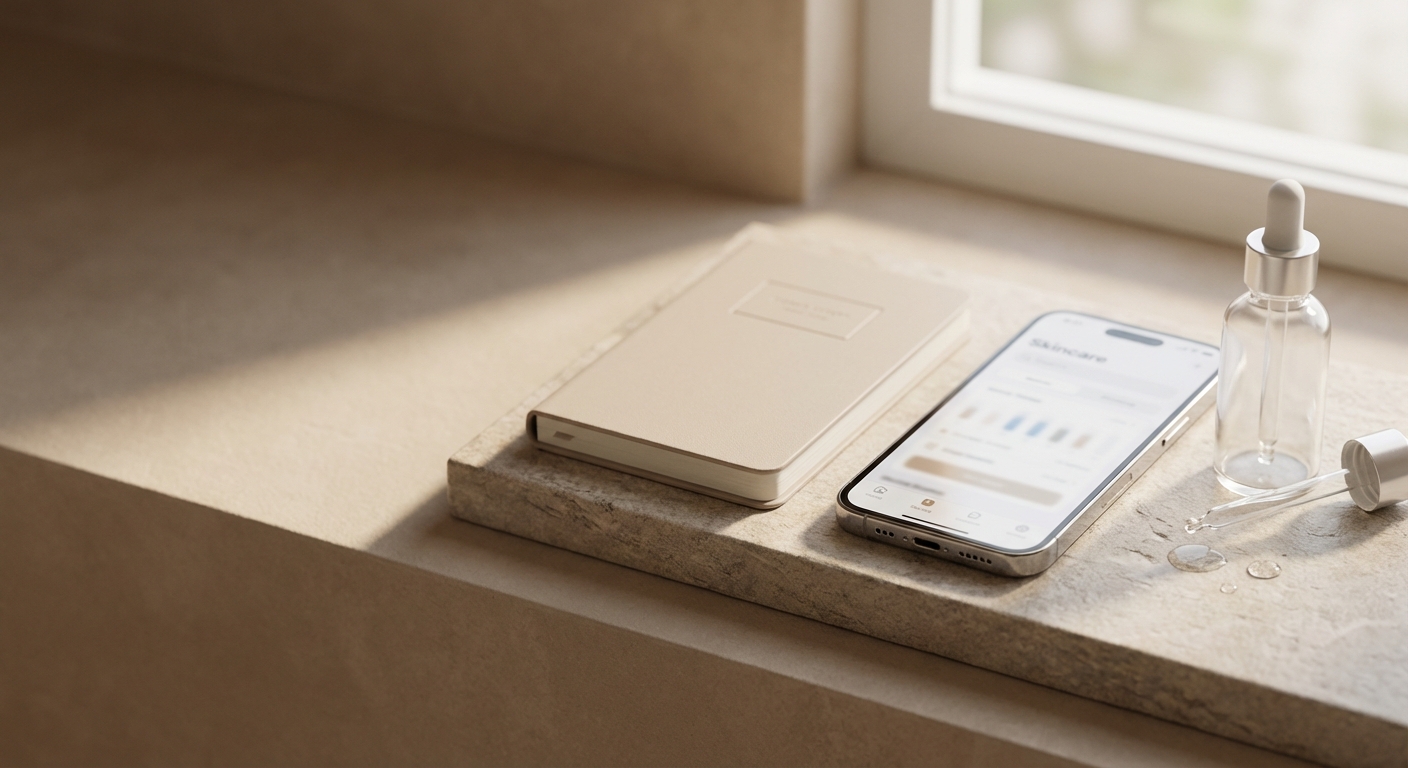
A practical method to identify your personal skincare triggers using timing + ingredient overlap,plus how INCI scanning and tracking makes it effortless.
By Skintrig Team
Skintrig Team publishes practical, privacy-first guides about ingredient tracking and skincare reaction logging.
Breakouts often feel random because the timeline is messy,reactions can show up hours or days after you use a product, and ingredient names differ between labels. Guessing which product “caused it” usually fails. A simple method works better: track products and reactions, capture ingredients once per product, then look for overlap and repeat exposure. This article walks you through that method step by step.
Why guessing fails
When a new pimple appears, it’s tempting to blame the last thing you put on your face. But skin doesn’t work on a one-to-one, same-day schedule. Breakouts and congestion often show up 24–72 hours later (sometimes longer). So the “new” serum you tried yesterday might be innocent; the culprit could be something you used two days ago, or an ingredient that appears in several products you’ve been using for weeks.
Guessing also fails because we forget. Without a log, we can’t reliably compare “what was I using when this happened?” across weeks. A simple tracking method fixes that.
The simple method: Products → Timing → Repeat exposure
The idea is straightforward:
- Baseline: Keep a stable routine for 7–14 days so you have a reference.
- Log: Record what you use and when, and record reactions (what, where, when) in under a minute.
- Capture INCI: For each product, store the ingredient list once so you can compare later.
- Find overlap: Look for ingredients that appear in multiple products linked to reactions,those are your suspects.
- Confirm safely: Test one variable at a time; don’t overhaul your routine at once.
No diagnosis, no product scores, no “safe” claim,only “no known triggers found” in your own history. The goal is pattern-finding from your data, not magic.
Step 1: Start with a baseline (7–14 days)
Before you start changing things, keep your routine consistent for at least 7–14 days. That gives you a reference: what’s “normal” for you right now. If you add or remove products every few days, you won’t know what’s driving changes.
- Use the same cleanser, treatment, moisturizer, and sunscreen.
- Note any reactions during this period too,they’re part of your baseline picture.
- After 7–14 days, you can start introducing one new product at a time or begin formal reaction logging if you haven’t already.
Step 2: Log reactions like a detective (in 30 seconds)
Every time you notice a reaction,a new bump, redness, itch, or congestion,log it quickly: date, area (e.g. chin, forehead), and a short note (e.g. “2 small bumps”). You don’t need long paragraphs. Consistency matters more than perfect detail.
A reaction tracker template can help you keep the same format every time so your history stays comparable.
Where an app helps: Faster logging and searchable history. When you can tap “log reaction” in a few seconds and later search by date or product, you’re more likely to keep it up and spot patterns.
Step 3: Capture the INCI once per product
For each product you use, capture the full INCI (ingredient) list once. Paste it from the packaging or the brand’s website into a note or spreadsheet,one row per product, with the full list. You’ll use this later to compare which ingredients show up in multiple products that preceded reactions.
Learning to read INCI quickly makes it easier to scan for overlap and spot duplicates (e.g. Aqua vs Water, Parfum vs Fragrance).
Where an app helps: Scan or paste INCI → clean list, no copy/paste errors. Once the list is stored per product, the app can do the overlap step for you.
Step 4: Find overlap and build a suspects list
When you have a few reactions logged and INCI for the products you were using in the days before each reaction, compare. Put the INCI lists side by side and highlight ingredients that appear in more than one product linked to a reaction. Those repeated ingredients are your strongest suspects.
- Don’t score products as “good” or “bad”,focus on which ingredients recur in your reaction timeline.
- Build a short “suspects” list and use it to decide what to test next (e.g. try a period without one suspect ingredient).
Where an app helps: Automatic overlap and recurring suspects from your history,no manual side-by-side comparison, and no product scoring, just your patterns.
Step 5: Confirm safely (don’t create chaos)
When you have suspects, confirm carefully. Change one variable at a time: e.g. drop one product that contains a suspect, or switch to a version without it, and keep everything else stable for at least 1–2 weeks. If you strip your routine or change five things at once, you won’t know what actually helped.
Common mistakes
Other pitfalls: skipping “minor” reactions (they still count as data), relying on memory instead of logging, and treating a single event as proof. Build your conclusions on repeat exposure and overlap, not one-off coincidences.
What success looks like
Success is not a single “aha” moment. It’s a clearer picture over time: you know which ingredients or products tend to precede your reactions, you introduce new things one at a time, and you use a pre-purchase ingredient check before buying so you can avoid your known suspects when shopping. You’re not guessing; you’re deciding from your own history.
FAQ
How long does it take to figure out what causes breakouts?
Most people start seeing patterns in 2–4 weeks, faster if you keep a stable baseline and log consistently. Acne can be delayed, so give each change enough time.
Can a product cause breakouts days later?
Yes. Breakouts and congestion often show up 24–72 hours later (sometimes longer). That’s why timing + repeat exposure is more reliable than blaming the newest product.
Do I need to stop all products to find a trigger?
Not usually. Start with a stable baseline routine for 7–14 days, then change one variable at a time. Stopping everything can confuse the picture and stress your barrier.
Is fragrance always a trigger?
Not always. Fragrance is a common irritant for some people, but triggers are personal. The goal is to identify what repeatedly precedes your symptoms.
What’s the difference between irritation and acne breakouts?
Irritation often shows as burning, stinging, redness, or itch quickly. Acne breakouts can be delayed and show as clogged pores, bumps, or inflamed spots over days.
How do I compare two products’ ingredients quickly?
Put the INCI lists side-by-side and highlight overlap. Ingredients that appear across multiple products linked to reactions are your strongest suspects.
When should I see a dermatologist?
If reactions are severe, painful, widespread, scarring, or not improving, get professional help. This method supports pattern-finding but isn’t medical care.
References
Want these insights in one place?
Join the waitlist to get early access when beta opens (planned for mid to end of March 2026).
Join waitlistRelated posts
-
 Common irritants in skincare: how to identify and avoid your triggers
 A practical guide to the skincare ingredients that most often irritate sensitive skin, how to read labels more carefully, and how to spot patterns in your own routine without guessing.
-
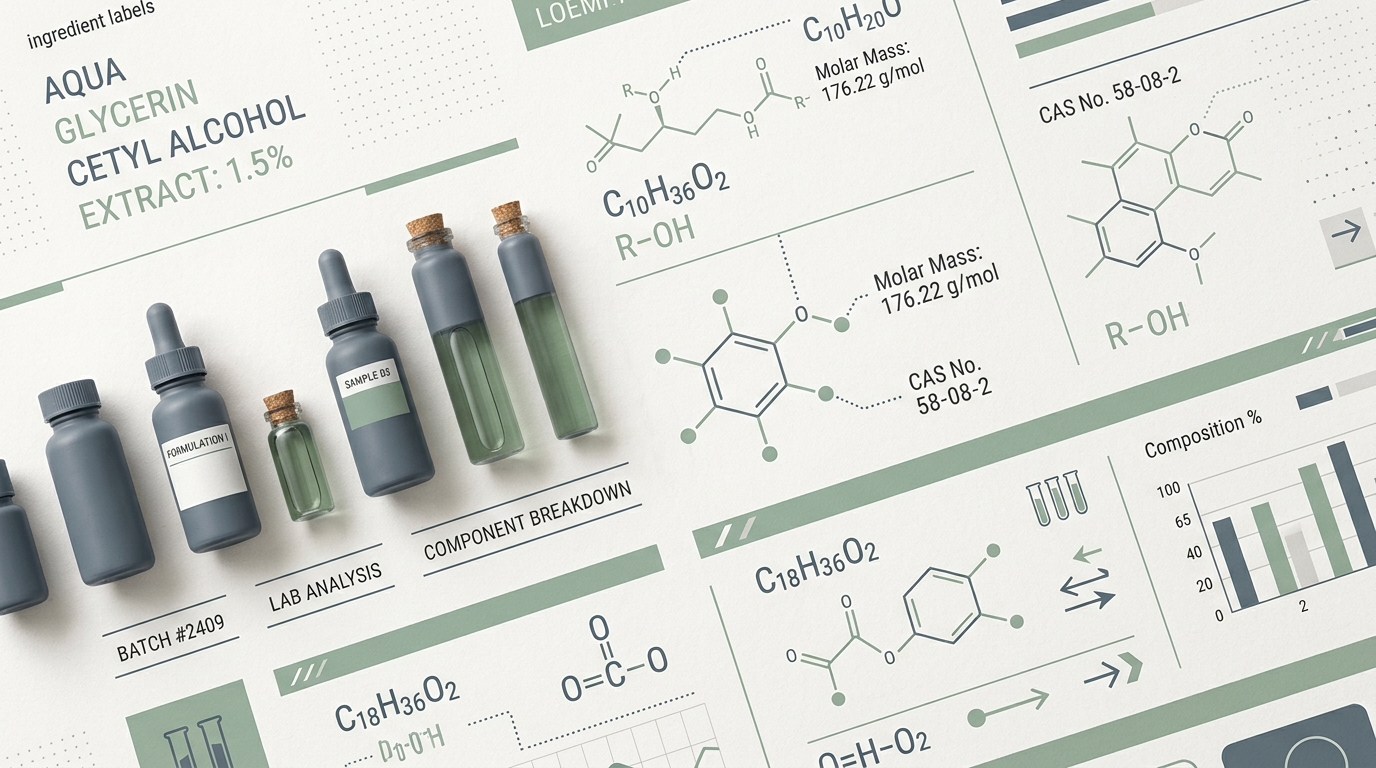 What Is an INCI List and How Do You Read It?
 INCI lists are the standardized ingredient disclosures on every cosmetic product. Here's what the naming system means, how ordering works, and what the list can't tell you.
-
 Why "Fragrance-Free" Doesn't Mean Irritation-Free
 "Fragrance-free" has a specific regulatory meaning that doesn't cover every scent-related ingredient. Here's what the label actually tells you, and what it doesn't.