Universal scores
Other apps Generic ratings for everyone.
Skintrig Matches against your history.
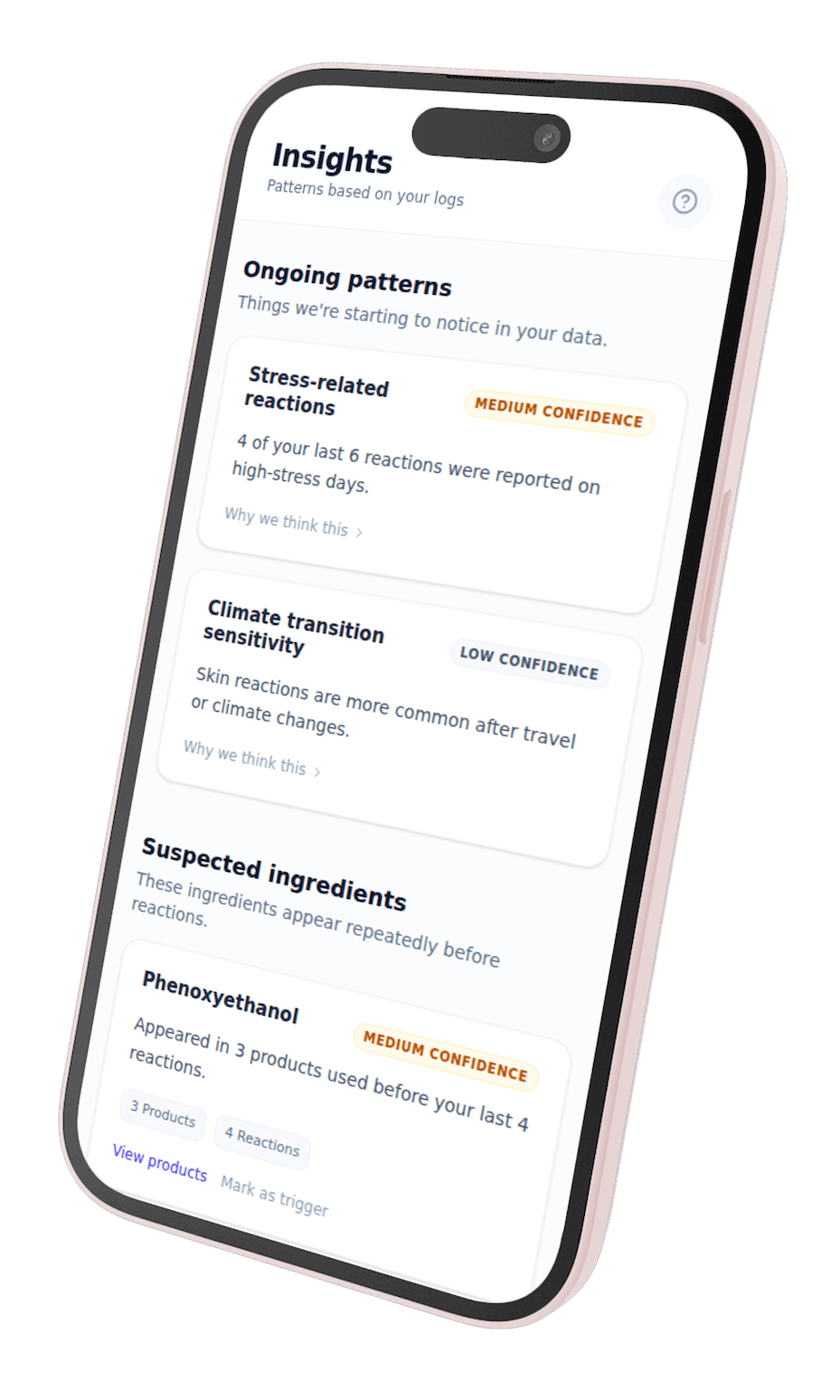
Scan INCI, log reactions, and spot patterns across products without guessing. Skintrig warns or stays neutral, so you stay in control.
Get early access
Stop guessing. Start tracking.
They try to predict your skin. Skintrig tracks your reality.
Other apps Generic ratings for everyone.
Skintrig Matches against your history.
Other apps Pretend one scan is enough.
Skintrig Evidence across time.
Other apps "Bad ingredient" blacklists.
Skintrig Personalized triggers, no panic.
Other apps Miss synonyms and variants.
Skintrig Normalized INCI matching.
Other apps Rely on outdated catalogs.
Skintrig Saves what you scanned.
Other apps Upload your skin history.
Skintrig On-device by default.
Not medical advice. Insights are based on your logs.
Advanced features that go beyond simple logging.
The more consistent your logs, the better the insights.
Aqua/Water, Parfum/Fragrance handled. Our AI understands synonyms so your logs are always accurate.
All your cosmetics organized. Add your own photos or use our beautiful placeholders.
See suspected triggers with specific dates and statistical confidence levels.
Scan in-store and get a warning (or no known triggers found) before you buy.
No known triggers ≠ guaranteed safe.
Skintrig is a personal tracking tool, not a medical service, and not a one-size-fits-all product judge.
Skintrig doesn’t diagnose conditions or provide medical advice. It helps you keep a clear history and spot patterns you can discuss with a dermatologist.
No green/red grades and no ‘safe/unsafe’ labels for everyone. Skintrig flags matches with your own history — otherwise it stays neutral.
We don’t push fear-based ‘bad ingredients’ lists. The same ingredient can be fine for others and a trigger for you — personalization matters.
AI helps extract and normalize INCI from labels. It doesn’t ‘understand your skin’. Insights come from what you log over time.
Skintrig won’t pretend it can predict your skin from a single scan. It helps you learn from repeated exposure and real outcomes — the way triggers are actually discovered.
Your products, reactions, and notes stay on your device. No account required. No personal skincare profile uploaded to a server.
It won’t tell you what to buy. It helps you learn what you tend to react to — and what to avoid.
Scan, log, and review your history in one guided sequence.
1. Add products
Scan a label or paste INCI manually. Names are normalized in the background.
Usually under 10 seconds per product.
2. Log reactions
Capture intensity, area, and date whenever a reaction appears.
Tap once to rate intensity, then save.
3. Get insights
Review patterns and likely suspects based on your own history.
Every signal links back to dates and products.
Insights first. Shopping second.
One scan turns your history into a warning system — helping you skip products that may trigger you and save money on 'maybe' buys.
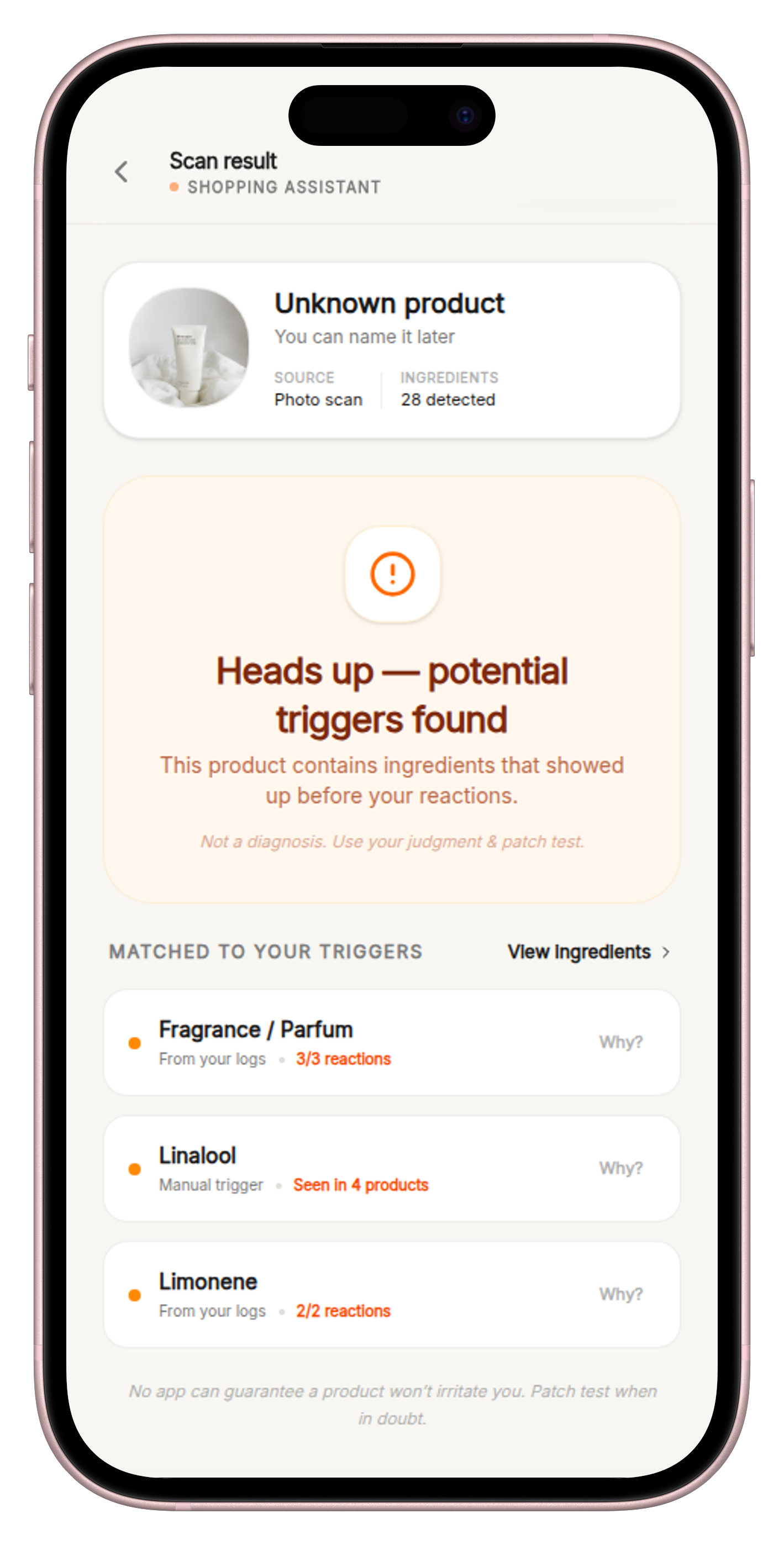
Found ingredients you've seen before your reactions.
Not a diagnosis. Use your judgment.
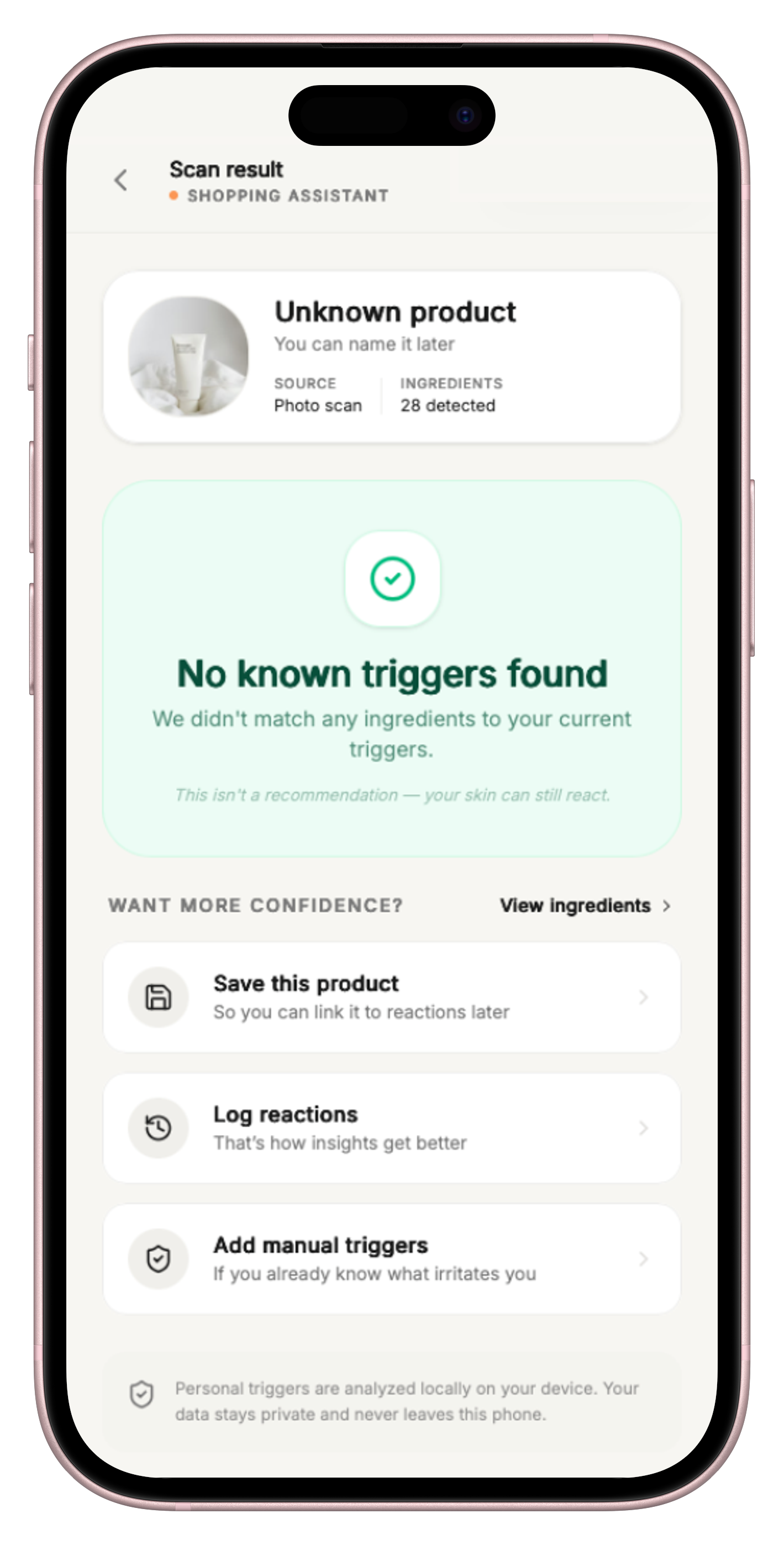
No ingredients linked to your logged reactions — based on your history.
'No match' ≠ guaranteed safe.
No. Skintrig is not a medical device and it does not diagnose conditions. It helps you organize your skincare history and surface patterns based on the data you log — nothing more. If you have persistent or severe symptoms, consult a dermatologist.
Not necessarily. It only means Skintrig did not find a match with your current logged history. Skin is complex, formulas change, and reactions can depend on context. Treat it as a helpful signal — not a guarantee.
Yes. Patch testing is a good baseline practice, especially if you have sensitive or reactive skin. Skintrig helps you learn from your past reactions, but it can’t replace patch testing or professional advice.
Accuracy depends mostly on the photo: sharp focus, good light, and a clear label. Skintrig is built for ingredient labels, but you’re always in control — you can review the detected INCI list and edit it before saving.
Your skincare log lives on your device. Photos are optional (for your convenience) and aren’t required for tracking. If you use scanning, the label photo is processed to extract ingredients — and the core tracking works from the normalized ingredient text.
Absolutely. You can paste an INCI list, type ingredients manually, or save a product without scanning at all. Scanning is there to save time, not to lock you into a workflow.
Yes for tracking. Your products and reaction logs are stored on-device and work offline. Ingredient scanning requires an internet connection.
You’ll be able to use 100% of Skintrig app features free during the beta. After launch, some features may require a subscription (via in-app purchase). We’ll always keep the core experience useful and transparent.
Beta is planned for mid-end of March 2026. Join the waitlist and you’ll get an email when TestFlight access opens.
Three recent posts with practical tips for tracking ingredient patterns and staying intentional about your routine.
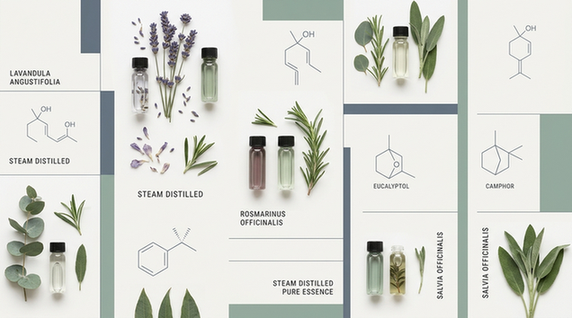
"Fragrance-free" has a specific regulatory meaning that doesn't cover every scent-related ingredient. Here's what the label actually tells you, and what it doesn't.
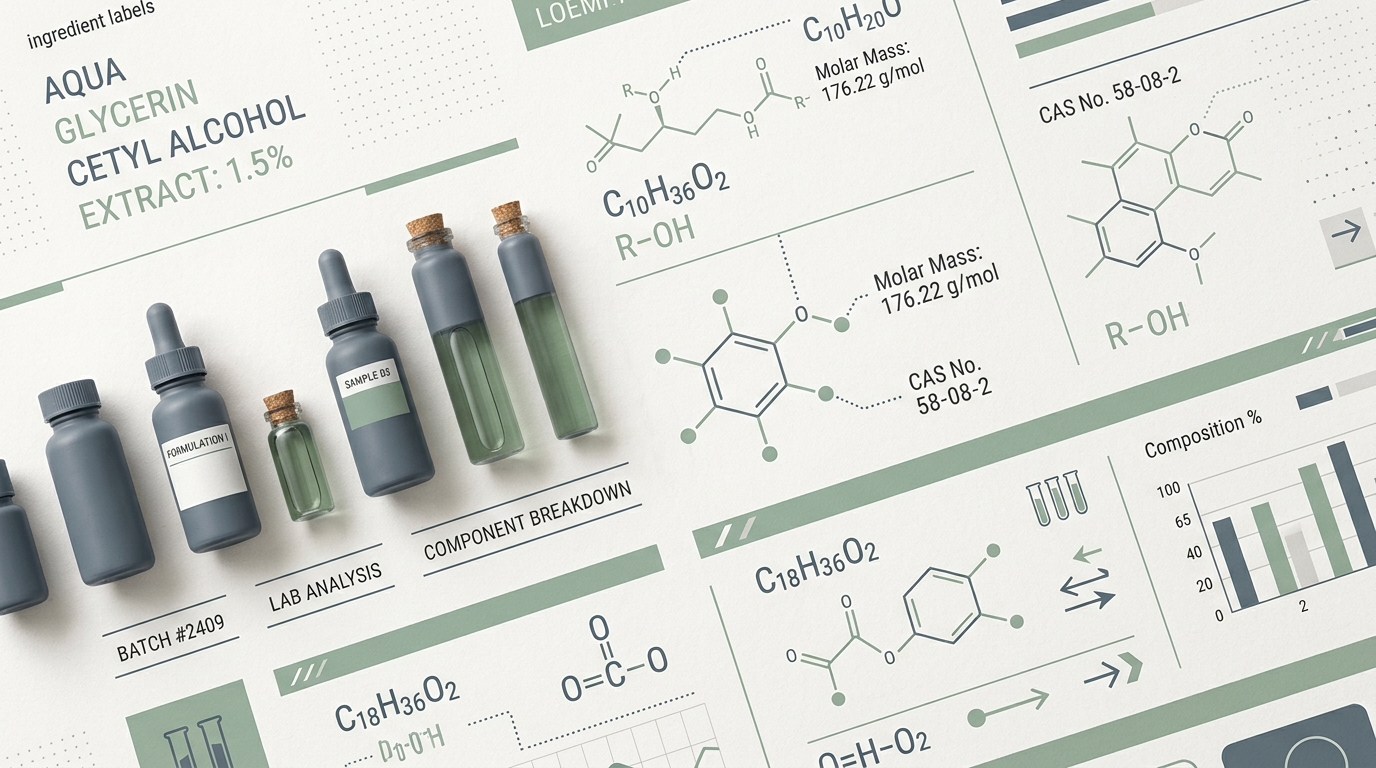
INCI lists are the standardized ingredient disclosures on every cosmetic product. Here's what the naming system means, how ordering works, and what the list can't tell you.
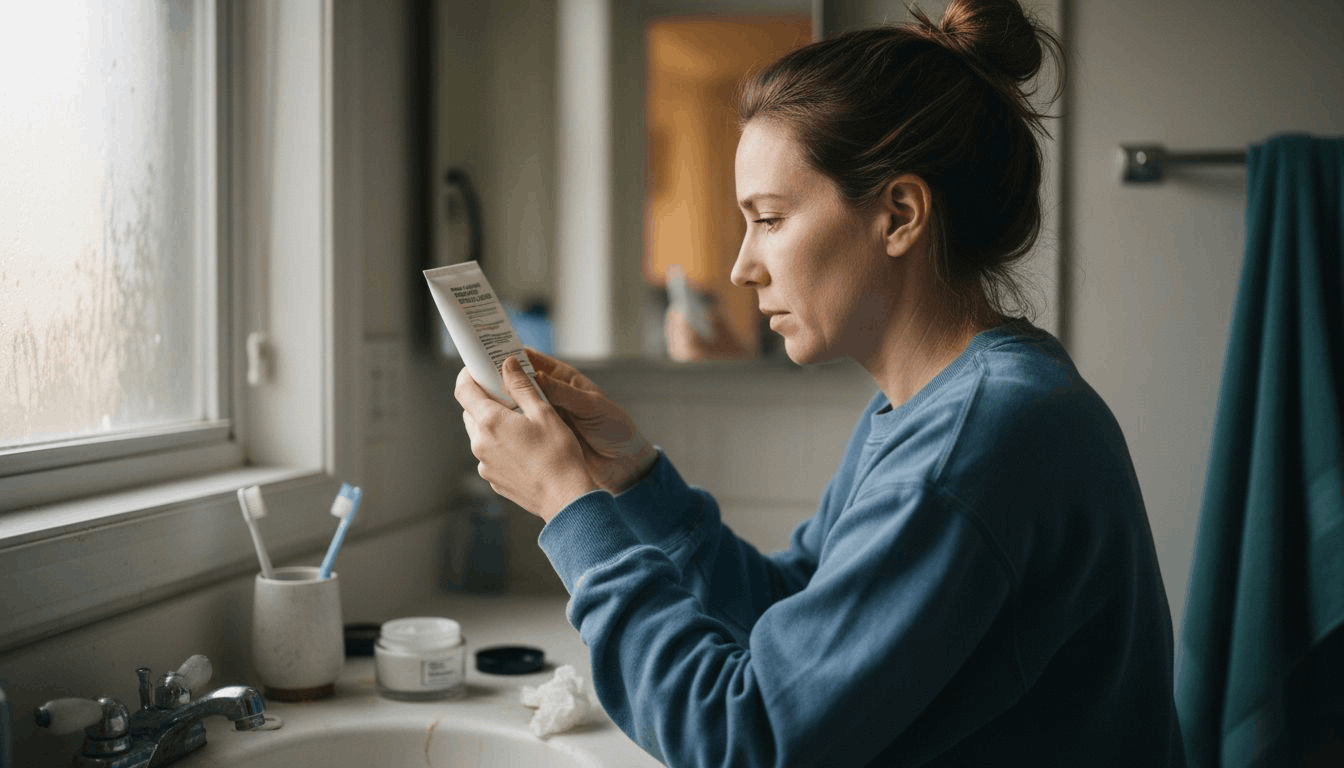
A practical guide to the skincare ingredients that most often irritate sensitive skin, how to read labels more carefully, and how to spot patterns in your own routine without guessing.
Looking for early testers. I'll personally reach out when we're ready to invite the first cohort.
No spam guaranteed.